
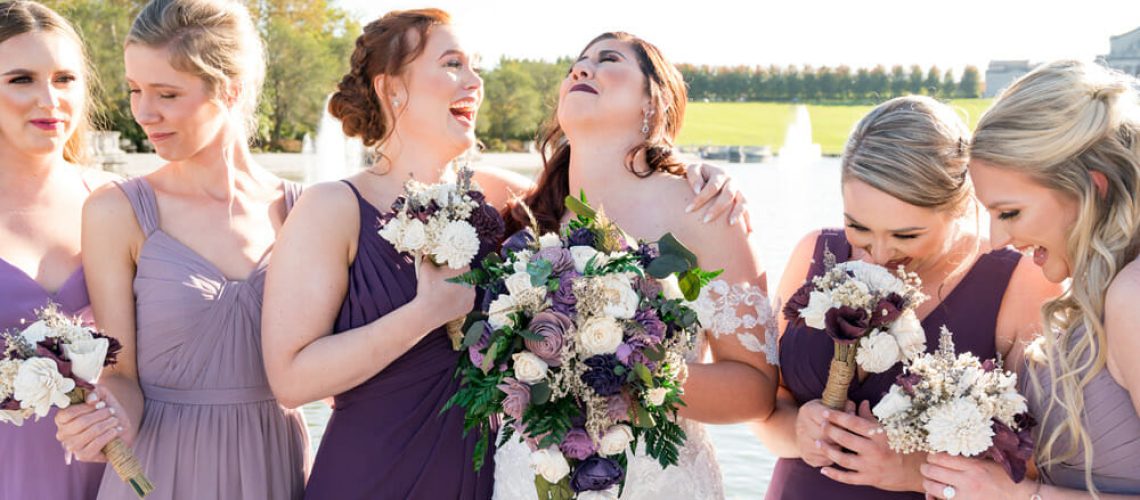
Understanding the phenomenon of Bridezilla
One of the most fascinating and often talked-about phenomena in the world of weddings is the rise of the Bridezilla. This term, coined to describe a bride-to-be who becomes excessively demanding, controlling, and even irrational during the wedding planning process, has become a cultural phenomenon in its own right. Understanding why some brides become Bridezillas can shed light on the underlying causes of this behavior.
Bridezillas often arise from a combination of factors, including pressure from society and unrealistic expectations placed on brides. From an early age, girls are bombarded with images and narratives that paint their wedding day as one of the most important events in their lives. The pressure to have a perfect day can be overwhelming, leading some women to lose sight of what really matters: celebrating love and commitment with their partner.

Additionally, wedding planning itself can be incredibly stressful. From choosing venues to managing budgets to dealing with family dynamics, there are numerous decisions and challenges that must be navigated during this time. The stress associated with wedding planning can push even the calmest individuals to their limits. I know I’ve seen people that were perfectly calm in every day life go a little crazy.
Ultimately, understanding why this happens can help both brides-to-be and those around them get through potential Bridezilla moments. Let’s look at some of these things a little more and some things brides and others can do to deal with it.
Recognizing the signs and symptoms of wedding stress
Recognizing the signs and symptoms of wedding stress is crucial in order to address and manage it effectively. If you don’t know what’s wrong, it’s hard to fix it.
One common sign is feeling overwhelmed and constantly worrying about the wedding preparations. This can lead to difficulty sleeping, as thoughts about the wedding keep racing through one’s mind, causing restless nights. Another symptom is irritability and mood swings, where small things that wouldn’t normally bother you suddenly become major sources of frustration. If you find yourself lashing out for no reason, stop and think about why. It’s important to recognize these signs early on so that steps can be taken to relieve stress before it escalates.
There’s also a physical side to wedding stress. Your body can actually be affected by it. For instance, experiencing frequent headaches or migraines can be a result of heightened tension and pressure related to wedding planning. Muscle tension or pain, particularly in the neck and shoulders area, may also surface due to increased stress levels. Additionally, changes in how you eat could show up as another symptom of wedding stress. Some individuals might experience loss of appetite while others may turn to emotional eating for comfort during this overwhelming period. For me, I’m more on the overeating side.

When you start to see these signs of stress, it’s best to do something about it. Simply ignoring it will only make it worse. Good thing there are ways to relieve the stress.
Developing coping mechanisms for staying calm and collected
When it comes to surviving the stress of planning a wedding and dealing with a demanding bridezilla, developing effective coping mechanisms is crucial. Learning a few tricks can help you deal with most of the stress.
One key strategy is to practice deep breathing exercises whenever you feel overwhelmed. Deep breathing has been pretty well known for awhile, and it almost seems like a joke, but it really does work. Taking slow, deep breaths can help activate the body’s relaxation response, reducing anxiety and promoting a sense of calmness.
Another helpful technique is to engage in regular physical exercise. Whether it’s going for a run, practicing yoga, or simply taking a brisk walk, exercise releases endorphins that boost mood and alleviate stress. I know I always feel better while I’m exercising and right after.

There are plenty of other things you can do, and it often depends upon the person. Don’t pick something that you don’t enjoy. Fro some, they might enjoy journaling or talking to a trusted friend. Others might watch a funny TV show. All are good options as long as they don’t create more stress.
Setting boundaries to protect yourself
People are going to have a lot of expectations and needs from the bride. You might find yourself being bombarded with calls and emails from vendors or friends. It’s important to set boundaries to protect yourself.
One thing might be to set boundaries for communication. Do you only want to be contacted via text? Do you prefer email? Next, set a clear boundary for time. I know I’ve had people try to call me at 9:30 at night. Either set a time when everyone can communicate or simply don’t look at things until you want.
Often, brides find that a family member or bridesmaid becomes way too involved. They have opinions about everything and are constantly getting involved. In these cases, it’s important to set boundaries on what you want that person involved with. I’d suggest giving them one or two things to focus on, and make it clear that is all they are responsible for.
Lastly, remember that saying no is okay. If family and friends or vendors are asking too much, tell them. It is your wedding, and you have the right to set boundaries and be happy.
Set Realistic Expectations
When it comes to wedding planning, it is essential to set realistic expectations for yourself and others involved. It is easy to get caught up in the excitement of the big day and compare yourself to all the fairy tale weddings you’ve seen on TV and social media. Setting unrealistic expectations can lead to unnecessary stress and disappointment. Instead, be honest with yourself and others, and you can still create a wonderful wedding.

The first expectation needs to be with your budget. Yes, weddings are expensive, and it’s likely you can’t have everything you want. If you can, then you are extremely blessed. Before you start planning everything, get a clear idea of your budget, and then plan how you will spend it.
Next, understand that there may be some bumps along the way during the wedding planning process and even on the wedding day. Certain vendors that you love might already be booked. A friend might not be able to make it. It might rain. It’s best to go into it all knowing something is going to go wrong. This helps you mentally prepare yourself for any unexpected challenges that may arise. It’s also helpful to have a backup plan in place for any potential issues so that you can address them quickly and efficiently.
Seeking support from friends and family and professionals
One of the most important things you can do when dealing with wedding stress is to seek support. Once you start noticing the signs of stress or things are getting out of hand, ask for help. Your loved ones are there for a reason, and they want to help you through this exciting but sometimes overwhelming time in your life. Reach out to them when you need someone to talk to or vent your frustrations. They can offer valuable advice or simply lend a listening ear, helping you feel less alone in the process.
In addition to emotional support, friends and family can also provide help during the wedding planning process. They take on tasks such as addressing invitations, assembling favors, or even accompanying you on vendor visits. Having an extra set of hands can make all the difference and alleviate some of the stress that comes with wedding preparations.
If you find that asking family and friends for help is causing more stress, reach out to a wedding professional. This could be talking to people you’ve already hired like your wedding photographer, or it might mean hiring a wedding planner to take care of things.

Remember that it’s okay to ask for help; don’t try to take on everything by yourself. Doing that is only going to make things worse.
Practicing self-care during the wedding planning process
One of the most important aspects of wedding planning is taking care of yourself throughout the process. It’s easy to get caught up in the chaos and stress, but practicing self-care is essential for your mental and emotional well-being. Make sure to set aside regular time for relaxation and self-reflection, whether it’s through meditation, yoga, or simply taking a long bath. Remember to prioritize your physical health as well by eating well-balanced meals, staying hydrated, and getting enough sleep.
Navigating wedding stress while maintaining your sanity
Navigating wedding stress while maintaining your sanity is no easy feat. However, by implementing the strategies discussed throughout this blog post, you can ensure a smoother and more enjoyable wedding planning process. Remember to communicate openly with your partner and delegate tasks to trusted family members or friends. Prioritize self-care and make time for activities that bring you joy and relaxation. Lastly, keep in mind that perfection is not the goal – focus on creating a meaningful celebration of love rather than getting caught up in the small details. By following these tips, you’ll be well on your way to staying calm and collected during the often overwhelming journey of planning a wedding.